Surf your urges
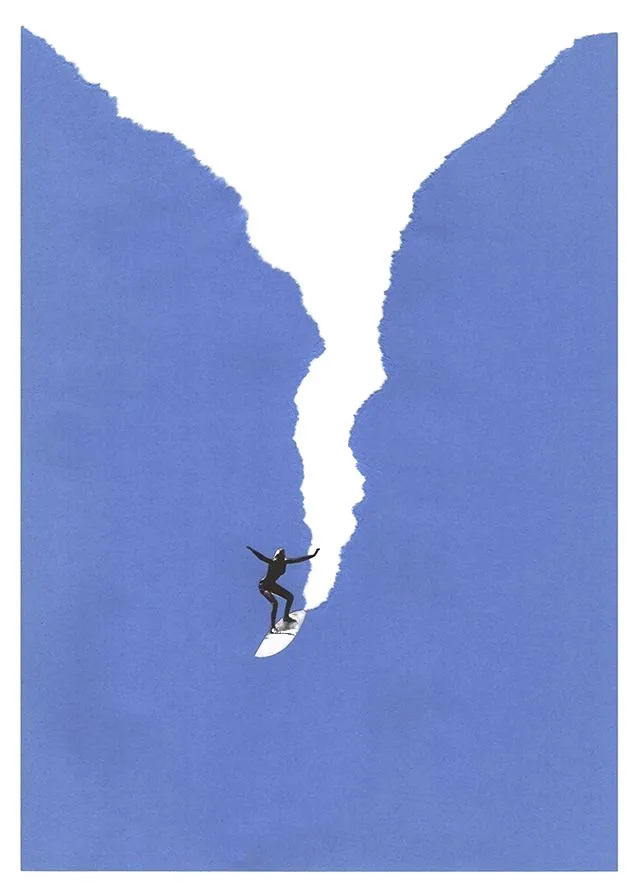
An urge can feel like an instruction. Check the mirror, check the message, have the drink, say the thing. It arrives with a sense that it will keep building until you give in to it, and that giving in is the only way it will stop.
However, if we slow that experience down and notice it, we can see urges tend to behave like waves: they build, they crest, and they fall away on their own, whether or not you act. Urge surfing means staying with the urge while it does that without fighting it or acting on it.
3. Peak
Your urge is at its peak. Physical and emotional symptoms will also peak.
2. Urge Rise
Urge becomes more intense. Physical symptoms begin to show.
1. Trigger
Triggered by a person, thought, event, or feeling.
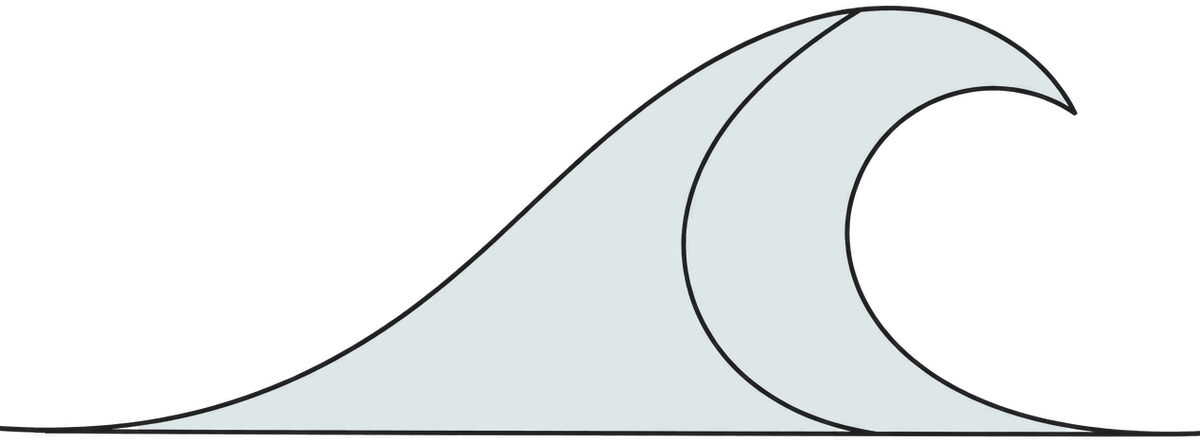
4. Fall
The urge loses its intensity and you start to feel better.
How to surf one
The aim is not to make the urge go away. It is to let it run its course without acting on it, so that it gets a chance to teach you that it can pass on its own.
Notice it and name it
Say to yourself what is happening. “I'm having the urge to ” Naming it puts a little distance between you and it.
Find it in your body
Urges usually show up in the body. Look for where you feel it: a tightness in the chest, heat in the face, restlessness in the hands, a pull behind the eyes.
Describe the sensation
Describe it as you would the weather. Where does it start and stop? Is it hot, cold, sharp, dull, still, or moving? When your mind turns to why you should act, or to thoughts like “it’s never going to stop” or “I can’t stand this”, notice those and come back to the idea that this is a sensation.
Breathe with it
Slow, even breathing makes it easier to stay put while it passes. You are not trying to breathe the urge away. Box breathing works well here.
Watch it change
Keep noticing the intensity as it moves. This is where you see for yourself that the urge rose and fell on its own. There is no need to hurry it along. Rushing to get through an urge can be a sign of fear of it.
How long it takes
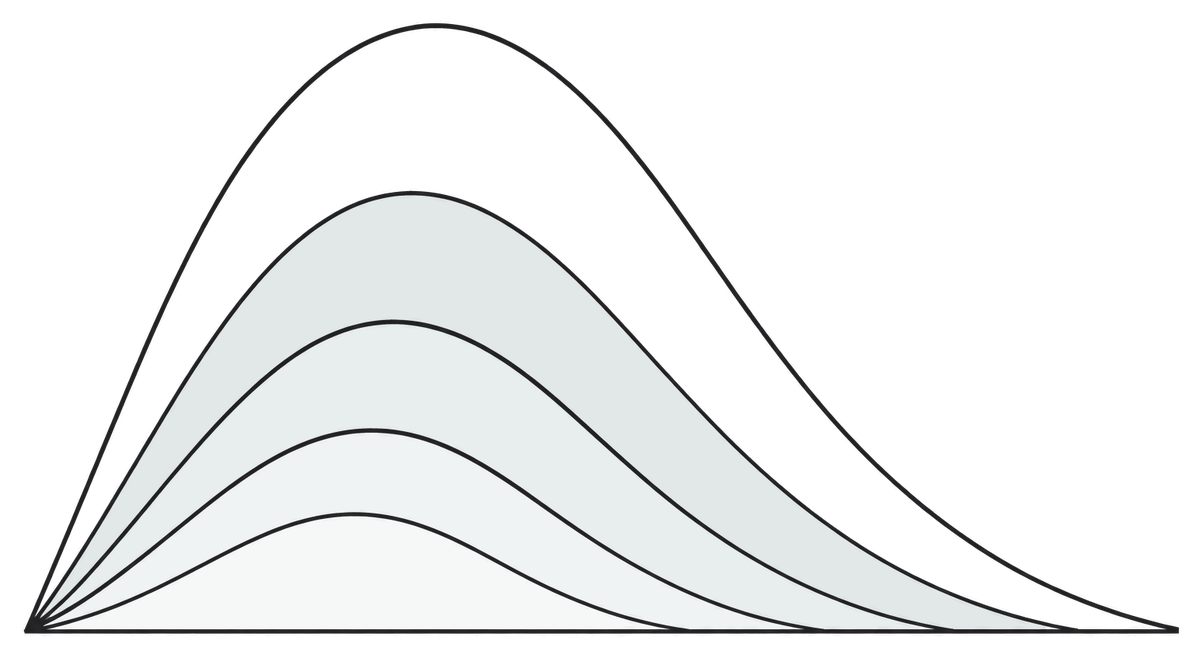
Most urges pass within twenty to thirty minutes, and often sooner, but how long it takes varies between people and urges. We do know that an urge cannot stay at its highest level forever. What is consistent is the shape: an urge that is not fed will crest and then decline.
A second wave is normal, especially if the trigger is still in the room. The first wave still counts.
It gets easier with practice
The first time you surf an urge can be hard, and that is to be expected. With practice, urges tend to peak lower and pass sooner. Each one you ride out is evidence that you do not need to act for it to stop, and that you can get through the next one.
If you do act on it
Acting on the urge is not a collapse of the whole effort. This can happen when you are practising something new. We can treat it as information for next time: what made it harder, what made it bigger, what you were doing when it peaked. Bring that to your next session and we can use it to help you get through the next ones.
Tracking an urge
You can track it here, on paper or in your mind if you prefer. You don’t have to do this step. It’s just here if you would like a tool to work with. Nothing you enter here is saved or sent anywhere.
Mark the intensity every few minutes and the shape of your own wave will appear here.